Archives
- 2026-08
- 2026-07
- 2026-06
- 2026-05
- 2026-04
- 2026-03
- 2026-02
- 2026-01
- 2025-12
- 2025-11
- 2025-10
- 2023-07
- 2023-06
- 2023-05
- 2023-04
- 2023-03
- 2023-02
- 2023-01
- 2022-12
- 2022-11
- 2022-10
- 2022-09
- 2022-08
- 2022-07
- 2022-06
- 2022-05
- 2022-04
- 2022-03
- 2022-02
- 2022-01
- 2021-12
- 2021-11
- 2021-10
- 2021-09
- 2021-08
- 2021-07
- 2021-06
- 2021-05
- 2021-04
- 2021-03
- 2021-02
- 2021-01
- 2020-12
- 2020-11
- 2020-10
- 2020-09
- 2020-08
- 2020-07
- 2020-06
- 2020-05
- 2020-04
- 2020-03
- 2020-02
- 2020-01
- 2019-12
- 2019-11
- 2019-10
- 2019-09
- 2019-08
- 2019-07
- 2019-06
- 2019-05
- 2019-04
- 2018-07
-
br Most reported binding data are obtained by performing het
2020-05-14
Most reported binding data are obtained by performing heterologous competition binding experiments and expressing the results as relative binding affinity (RBA). The constructed binding curves should theoretically be sigmoidal in shape with a Hill slope value of one, for a single ligand binding to
-
br Substrate characterization of candidate peptide reporters
2020-05-14
Substrate characterization of candidate peptide reporters in a library Measurement of resistance to intracellular proteases Use of capillary zone electrophoresis for assay readout Selection of lead peptide from small library screen Characterization of final reporter Additional modif
-
Recently a method for in vivo photoactivation of
2020-05-14

Recently, a method for in vivo photoactivation of Ceftazidime expressing PA-GFP in precise microanatomical compartments was described (Victora et al., 2010), which makes it possible to optically mark Tfh cells and track them 20 hr later (Shulman et al., 2013). Unexpectedly, it was reported that Tfh
-
EBI and its ligand s EBI was found
2020-05-14
EBI2 and its ligand(s) EBI2 was found in a screen of upregulated genes in human B cells upon infection with EBV [1]. EBI2 is a G-protein (Gαi type) coupled receptor [2] but as long as 18 years after its discovery the nature of its ligand remained undisclosed. With the help of transfected cell lines
-
br Conflicts of interest br Acknowledgments Work in
2020-05-13
Conflicts of interest Acknowledgments Work in the laboratory of SPS is funded by Council of Scientific and Industrial Research (CSIR) Network Project BSC-0111 (INDEPTH) and BSC-0112 (NanoSHE). We are thankful to Director, CSIR-IITR for his constant encouragement and support. We also acknowledg
-
MoAbs targeting the tumourigenic pathways
2020-05-13
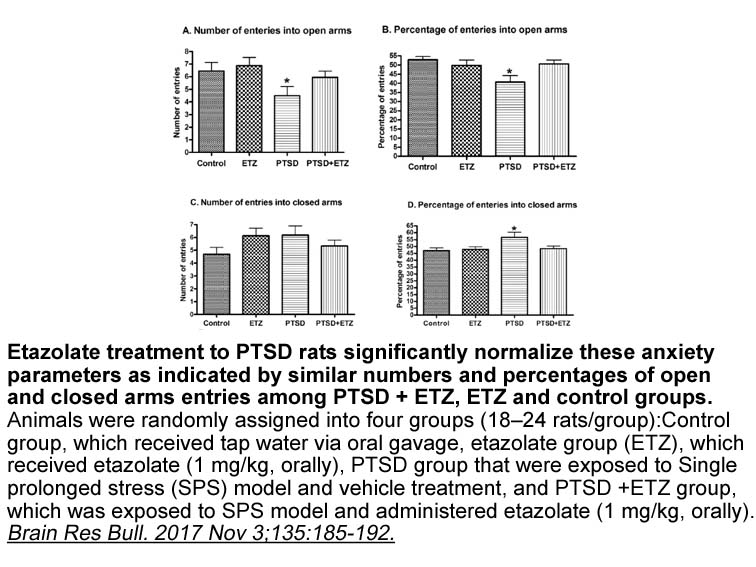
MoAbs targeting the tumourigenic pathways, such as IGF-1R may theoretically have a dual working mechanism. On the one hand they block pathways having an anti-tumour working mechanism, and on the other hand they may also stimulate an immunological response inducing a reaction of the patients own immu
-
br Conclusion br Conflict of
2020-05-13
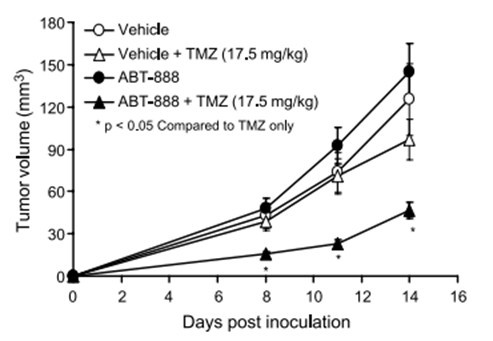
Conclusion Conflict of interest Acknowledgment The authors acknowledge the grant support of the Tehran University of Medical Sciences (94-02-49-29647). Introduction Earlier in vitro observations have also established that the human 5-HT2A, while very similar to the rat isoform, exhibits
-
Carbenicillin br Introduction DNA dependent protein
2020-05-13
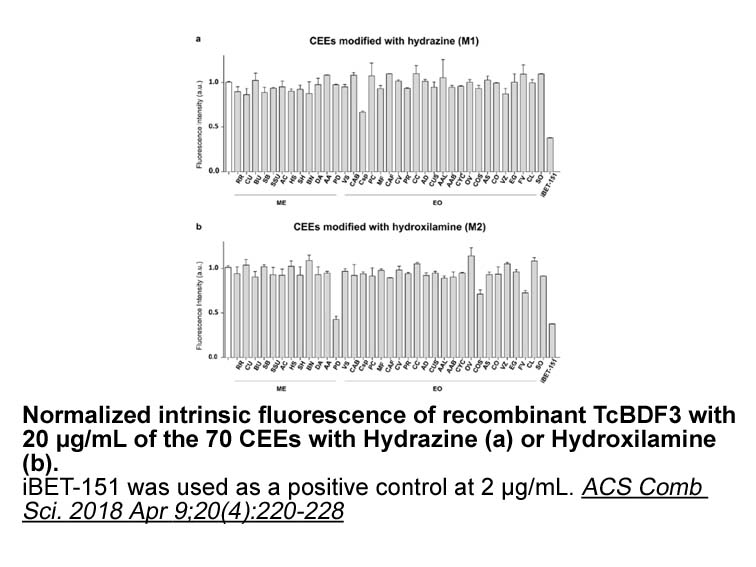
Introduction DNA-dependent protein kinase (DNA-PK) is a multicomponent serine/threonine protein kinase and considered a member of the phosphatidylinositol (PI) 3-kinase related kinase (PIKK family). This enzyme plays a critical role in the repair of mammalian DNA double strand breaks (DSBs) throu
-
br Conclusions In Summary a multilayer screening of xanthone
2020-05-13
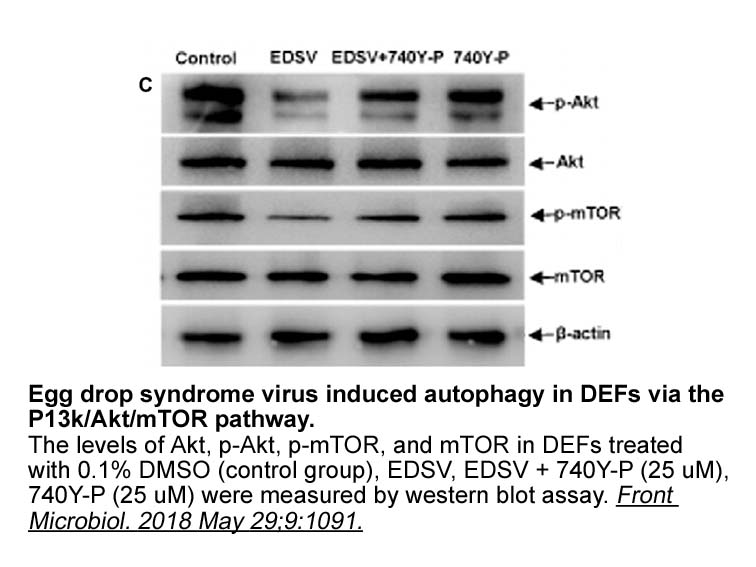
Conclusions In Summary, a multilayer screening of xanthones of natural origin (Xanthone-NPs) was undertaken against Pf-DHFR. The Re-rank score of screened compounds was size normalized and interaction profile was generated using experimentally known inhibitors. Three compounds X5, X113A and X164B
-
Besides by substrate and product KSTDs may also
2020-05-13

Besides by substrate and product, Δ1-KSTDs may also be inhibited by other steroids. N. simplex ATCC 6946 Δ1-KSTD was strongly inhibited non-competitively by dicortinone (60), a steroidal dimer, and by bis-1-dehydrodicortinone, with values of 0.7 and 0.75 μM, respectively. This enzyme was also inhib
-
Although DAPK has been implicated in neuronal death
2020-05-13
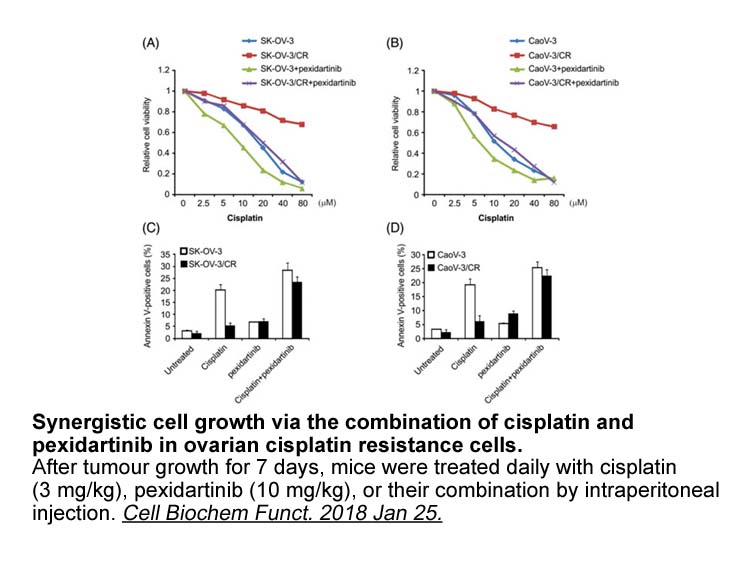
Although DAPK has been implicated in neuronal death in ischemic stroke and neurodegenerative diseases, such as Alzheimer’s disease (Shamloo et al., 2005, Duan et al., 2013), the mechanisms about how DAPK regulates cell death are still elusive. In the present study, we investigated the signal transdu
-
br STAR Methods br Acknowledgments We thank Genevi
2020-05-13
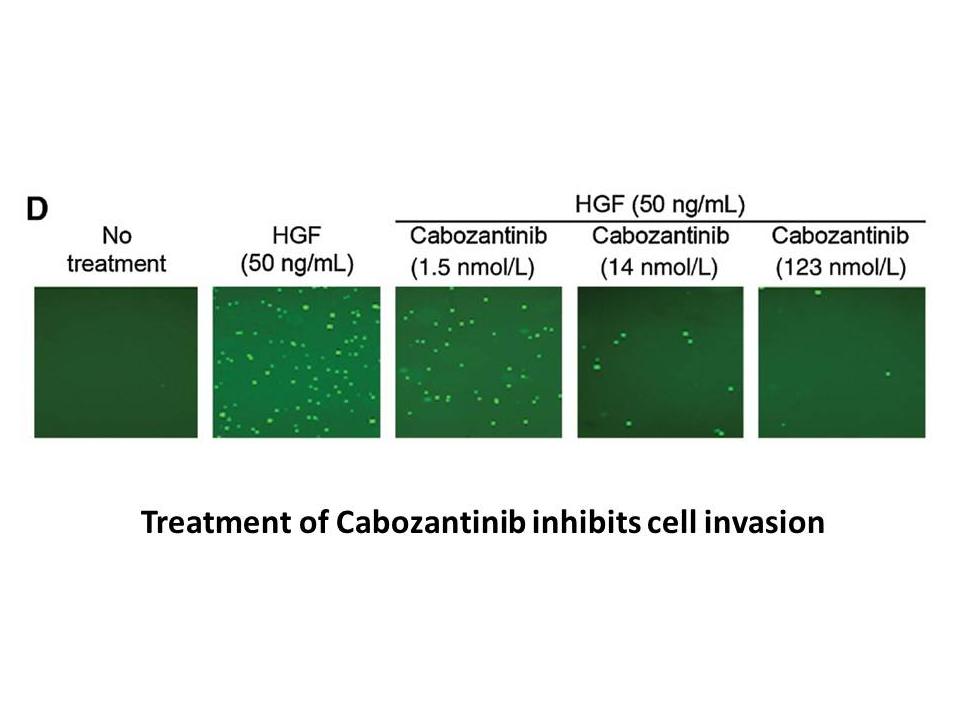
STAR★Methods Acknowledgments We thank Geneviève Almouzni, Sophie Polo, Ralph Scully, Wael Mansour, and Jeremy Stark for providing cell lines and Wolf Heyer, Haico van Attikum, Martijn Luijsterburg, and Brendan Price for helpful discussions. We thank Ratna Weimer, Bettina Basso, Christel Braun,
-
br Conclusions br Introduction The terms endocrine active an
2020-05-13
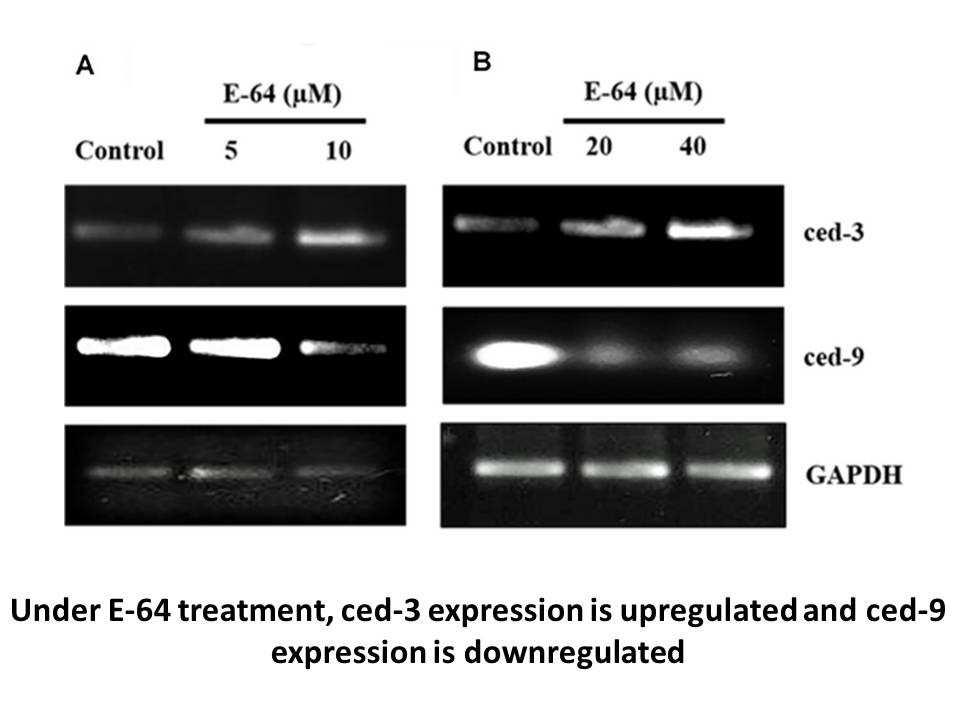
Conclusions Introduction The terms endocrine active and endocrine disruptive have been used to describe an ever-expanding list of naturally-occurring and synthetic compounds that interact with mammalian hormonal systems, and in particular, the reproductive system. These compounds have been ass
-
br Results br Discussion Taking advantage
2020-05-12
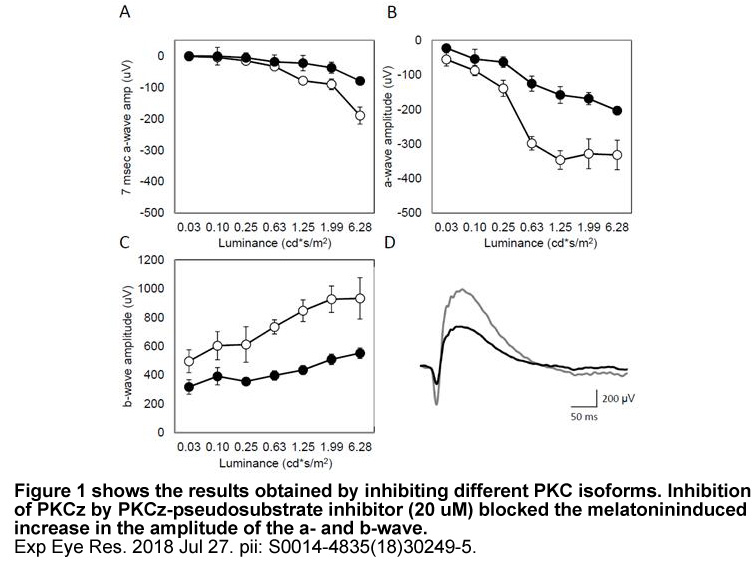
Results Discussion Taking advantage of the highly specific protein–protein interactions among cognate Koumine synthesis that mediate SUMO conjugation to substrates, we have developed a novel strategy for achieving inhibition of SUMO conjugation in vivo based on disruption of SUMO E1–E2 interac
-
br Conflict of interest br Acknowledgements This work was
2020-05-12
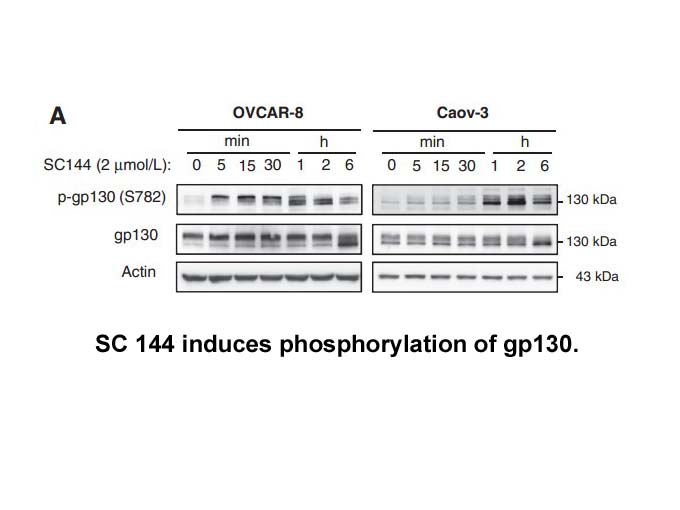
Conflict of interest Acknowledgements This work was funded by the National Science Centre, Poland, grant number N N303 571539. We are greatly indebted to Patrick Fox for help with the final manuscript. Introduction Alkylating agents which interact directly with DNA to form covalent bonds h
10342 records 487/690 page Previous Next First page 上5页 486487488489490 下5页 Last page